Fir Real? The Origins of Our Favourite Christmas Traditions


Fir Real? The Origins of Our Favourite Christmas Traditions
Christmas is full of traditions that many of us follow every year without giving them a second thought. We decorate Christmas trees, hang wreaths on our doors, place stars in our windows, display nutcrackers on mantelpieces, and enjoy a festive Christmas pudding after dinner. But have you ever stopped to wonder where these traditions actually came from?
The origins of Christmas celebrations are surprisingly fascinating, drawing inspiration from folklore, seasonal celebrations, royal influences, and family customs that have evolved over hundreds of years. Some traditions began as practical ways to brighten the darkest days of winter, whilst others travelled across continents before becoming festive favourites in homes around the world.
So grab a mince pie, switch on the Christmas lights, and join us as we unwrap the stories behind some of our favourite festive traditions.

Standing Guard: The Story Behind Nutcrackers
Today, nutcrackers are a staple of festive decorating. Whether they're standing proudly by the fireplace, guarding the Christmas tree, or welcoming guests at the front door, these colourful characters have become synonymous with Christmas.
The origins of the nutcracker can be traced back to German folklore, where they were believed to bring good luck and protection to households. Their distinctive soldier appearance was intentionally playful, representing strength and courage whilst also serving as decorative ornaments.
Nutcrackers became even more popular following the debut of Tchaikovsky's famous ballet The Nutcracker in 1892. Although the ballet wasn't an immediate success, it eventually became one of the most beloved Christmas performances in the world, helping to cement the nutcracker's place in festive culture.
Their popularity spread internationally after the Second World War, when American soldiers stationed in Germany returned home with nutcrackers as souvenirs. Before long, these charming figures were appearing in homes across the globe.
Today, decorative nutcrackers come in all shapes and sizes, from traditional wooden designs to illuminated statement pieces such as the 4ft Gold and Silver In Lit Christmas Nutcracker Guard. Standing proudly amongst garlands, lanterns, wreaths, and Christmas villages, they continue to bring a touch of festive character to modern displays.
And unlike their original counterparts, most of today's nutcrackers are far more likely to crack a smile than a walnut.

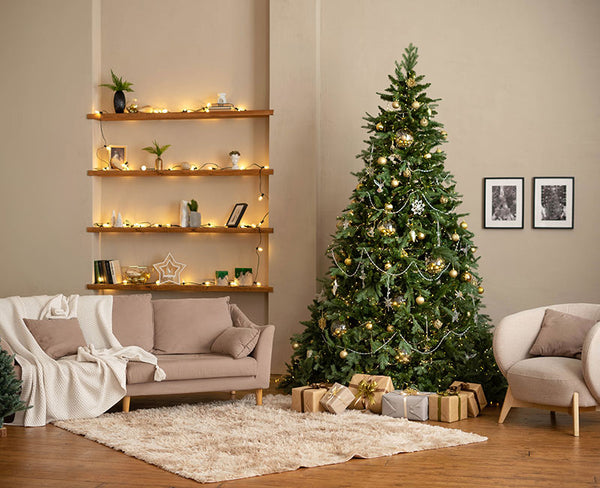
Fir Real? Why We Bring Trees Indoors
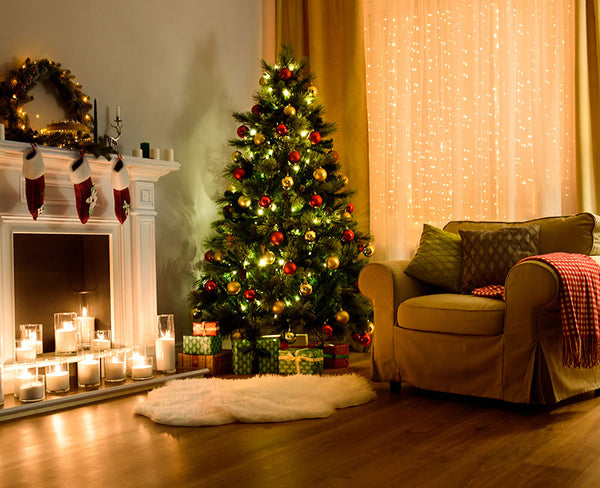
Few Christmas traditions are as iconic as the Christmas tree.
Long before Christmas trees became a festive centrepiece, evergreen branches were used during winter celebrations as symbols of life, hope, and renewal. During the winter solstice, many cultures displayed greenery inside their homes to brighten the darkest days of the year and celebrate the eventual return of spring.
The tradition of decorating entire trees developed in Germany before gradually spreading across Europe. In Britain, Queen Charlotte is often credited with displaying one of the first royal Christmas trees in the early 1800s. Later, Prince Albert helped popularise the tradition even further when an illustration of the royal family's decorated tree appeared in the Illustrated London News in 1848.
The image captured the public's imagination and helped transform Christmas trees from a royal curiosity into a household tradition. Although enthusiasm briefly dipped during the First World War due to the tradition's German origins, the Christmas tree soon reclaimed its place at the heart of festive decorating.
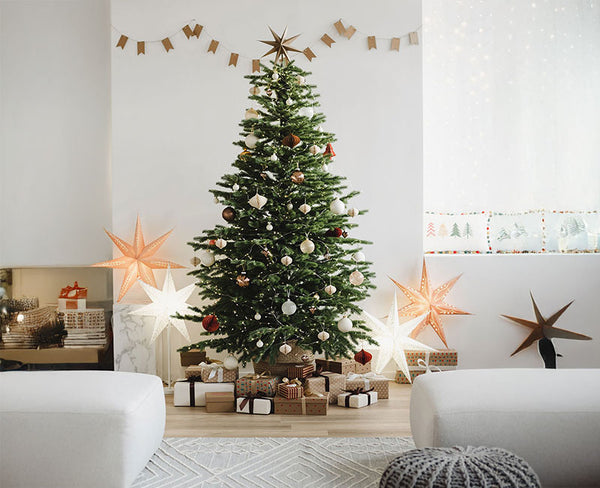
Today, Christmas trees come in countless styles, from traditional spruce and fir designs to pre-lit trees, fibre optic trees, snowy trees, pencil trees, and even contemporary alternatives. The 6ft Ben Nevis Pine with Pinecones and Red Berries Christmas Tree perfectly captures the timeless appeal of a traditional Christmas tree, combining natural textures with festive colour to create a warm and welcoming focal point.
After all, Christmas just wouldn't feel quite the same without gathering around the tree to admire decorations, presents, and perhaps untangle a few fairy lights.

Circle of Cheer: The Origins of the Christmas Wreath
The Christmas wreath has become one of the most recognisable festive decorations, but its origins stretch back much further than Christmas itself.
Wreaths were used by both Romans and various Pagan communities as symbols of celebration, renewal, and the changing seasons. Evergreen foliage was particularly valued during winter because it remained vibrant when much of the natural world appeared dormant.
As Christmas traditions evolved, wreaths were adopted by Christian communities and became associated with eternity due to their circular shape, which has no beginning and no end. They were also sometimes used to identify Christian households during festive celebrations.
The Victorians later embraced wreaths as decorative features, helping to establish them as the front-door centrepieces we know today.
Modern wreaths remain incredibly versatile. Whether adorned with berries, pinecones, snow effects, ribbons, lights, or ornaments, they instantly create a festive welcome. The 50cm Grey Snow Fir Tipped Luxury Christmas Wreath combines traditional greenery with a contemporary snowy finish, making it equally at home alongside garlands, candles, lanterns, and illuminated silhouettes.
It is proof that some traditions truly do come full circle.

Following the Star
Few Christmas decorations carry as much symbolism as the star.
The tradition originates from the Star of Bethlehem, which, according to the Nativity story, guided the Wise Men on their journey to find the baby Jesus. Over time, the star became associated with hope, guidance, and new beginnings.
Even beyond its religious connections, the star has remained a powerful symbol during winter. During the shortest and darkest days of the year, stars represent light, direction, and optimism which are themes that resonate with many people regardless of their beliefs.
Today, stars appear everywhere during the festive season. They top Christmas trees, illuminate windows, feature in outdoor displays, and shine brightly amongst Christmas lights and festive decorations.
The 1.2m x 1.2m Curtain Star Window Light with 339 Warm White LEDs is a perfect example of how this centuries-old symbol continues to evolve. Creating a striking display in windows and entryways, it captures the same sense of wonder that has made stars such an enduring part of Christmas celebrations.
Quite literally, they're the stars of the show.

The Curious History of Christmas Pudding
Few festive foods have a story quite as rich as Christmas pudding.
Its earliest ancestor was a dish called frumenty, a thick porridge made from cracked wheat, milk, spices, and dried fruits. Over time, the recipe evolved into plum pudding, becoming richer and more substantial as ingredients such as dried fruits, suet, and spices were added.
The version we recognise today became firmly established during the Victorian era. Queen Victoria's popularity helped boost its status, whilst Charles Dickens immortalised the pudding in A Christmas Carol in 1843, famously describing it as resembling a "speckled cannon-ball".
Christmas pudding also became associated with a variety of family traditions. Some households prepared their pudding on Stir-Up Sunday, with family members taking turns to stir the mixture from east to west, symbolically reflecting the Wise Men's journey.
Hidden charms were often added to puddings too, with different objects believed to bring luck, wealth, or happiness in the year ahead.
The tradition of flaming the pudding became particularly popular during Victorian times. Holly was often used as a garnish, whilst the dramatic blue flames created a memorable centrepiece for Christmas dinner.
Today, the Set of 5 Inlit Christmas Puddings with Ice White LEDs offers a fun festive nod to this beloved tradition. Whilst they may not be edible, they certainly bring plenty of festive charm to pathways, gardens, and seasonal displays.
And unlike the real thing, they're guaranteed not to start any family debates about whether Christmas pudding is delicious or dreadful.
Traditions That Continue to Shine
One of the most fascinating things about Christmas traditions is how they continue to evolve.
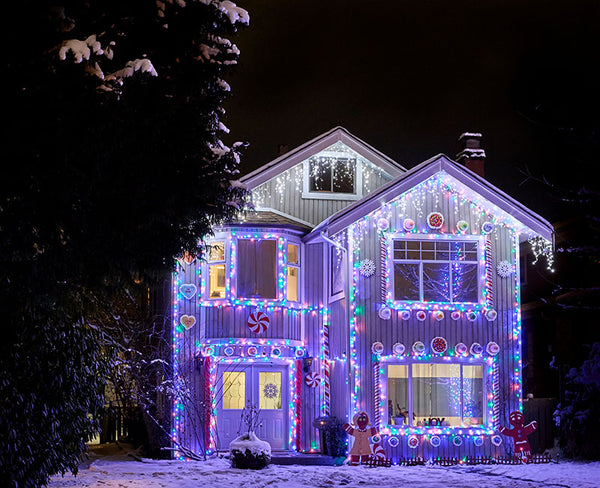
From illuminated nutcrackers and pre-lit trees to glowing wreaths, star silhouettes, Christmas villages, and outdoor displays, modern decorations often take centuries-old traditions and give them a festive new twist.
Whilst styles, colours, and trends may change from year to year, the traditions themselves remain surprisingly timeless. They connect generations, create lasting memories, and help make the festive season feel familiar no matter how much the world changes around us.
So the next time you decorate your Christmas tree, hang a wreath on your door, place a star in the window, or admire a nutcracker standing guard, you'll know there's a little more history behind the magic.
Fir real.